



JAMES WAKIBIA STORY - PART 1 : How to ban plastic bags from a country ?
- Victor Fontaine

- Sep 6, 2019
- 4 min read
Updated: Sep 9, 2019
James Wakibia is a Kenyan photographer and environmental activist. In 2015, he started a social media campaign, #BanPlasticKE. His fight against plastic led to a bigger movement aiming to ban single plastic use in Kenya.
Therefore, in 2017, Kenya introduced "one of the toughest laws" banning the production, import, sale and use of plastic bags for onetime use in August 2017.





I met James Wakibia a year ago during a seminar on #TechForGood leaders hosted by Airbus. More recently, he was kind enough to answer personal questions to satisfy my curiosity. Discover how he proceeded and what pushes him to lead such a campaign through this written interview.
#SUPPORT BAN PLASTIC - Interview from with James Wakibia

Could you present yourself ?
My name is James Wakibia a photographer and environmental activist creating awareness on plastic pollution and advocating for plastic regulations and bans in Kenya and across Africa.
#BAN PLASTIC KE CAMPAIGN
You are known for the campaign #BanPlasticKE, could you explain it quickly ?
#BanPlasticsKE was the initial social media campaign between 2014-2015 that I used together with my team to lobby for a ban on single-use plastic bags which was born from anger after witnessing the environment being degraded by crazy amounts of plastic bags. Later that year, after the Minister of environment in Kenya tweeted her support (https://twitter.com/JudiWakhungu/status/648490974688231424 ), a new street and online campaign was launched.

It was a big campaign where random people in the streets took pictures with a placard written #IsupportBanPlasticsKE as a sign that they supported the campaign to ban plastic bags. Also, it was a personal commitment to act on plastic pollution. The new campaign was #IsupportBanPlasticsKE and it continued from 2015 until the ban was announced in 2017.
Why and how this project was born?
At first, I did not start this campaign to call for a ban on plastic bags but to demand the relocation and closure of a landfill that had become an eyesore in my home town.
The landfill (named Gioto Dumpsite) had its filthy contents scattered all over the road that I used on a daily basis and I felt that I needed to demand that it should be closed. That anger led me to collect about 5000 signatures from residents in a petition seeking relocation and closure on the dumpsite.

(...) the KE government committed to improve the general solid waste management (...), but later, I noticed the problem of trash leaving the dumpsite persisted after heavy rains and during windy days. I noticed that it was not the dumpsite to blame but plastic (especially plastic bags) and sheets which flew easily out of the site. I decided to act more actively and I started the #BanPlasticKE campaign.
What were the ingredients allowing this campaign to be a success? How did you influenced the Kenyan government to create a law against plastic bags?
The ingredients to my successful campaign were persistence, passion and lots of patience. I knew that what I was doing was right, it was supported by a majority of those I interacted with but I also knew I had to push the narrative slowly every day until it reached the policy makers. I knew the power of social media after using it on other several occasions to fight for two infants’ rights and therefore I knew it was just a matter of time before the message reached the government. Besides that, I wrote several opinion articles and published them on Kenya’s mainstream newspapers. In a way I utilized anything within my reach to spread my anti plastic message and it worked. I also had a great team of bloggers, journalists and activists who supported me.
Here are early articles I did. https://www.facebook.com/events/nakuru-town/relocategiottonow/525617027488240/
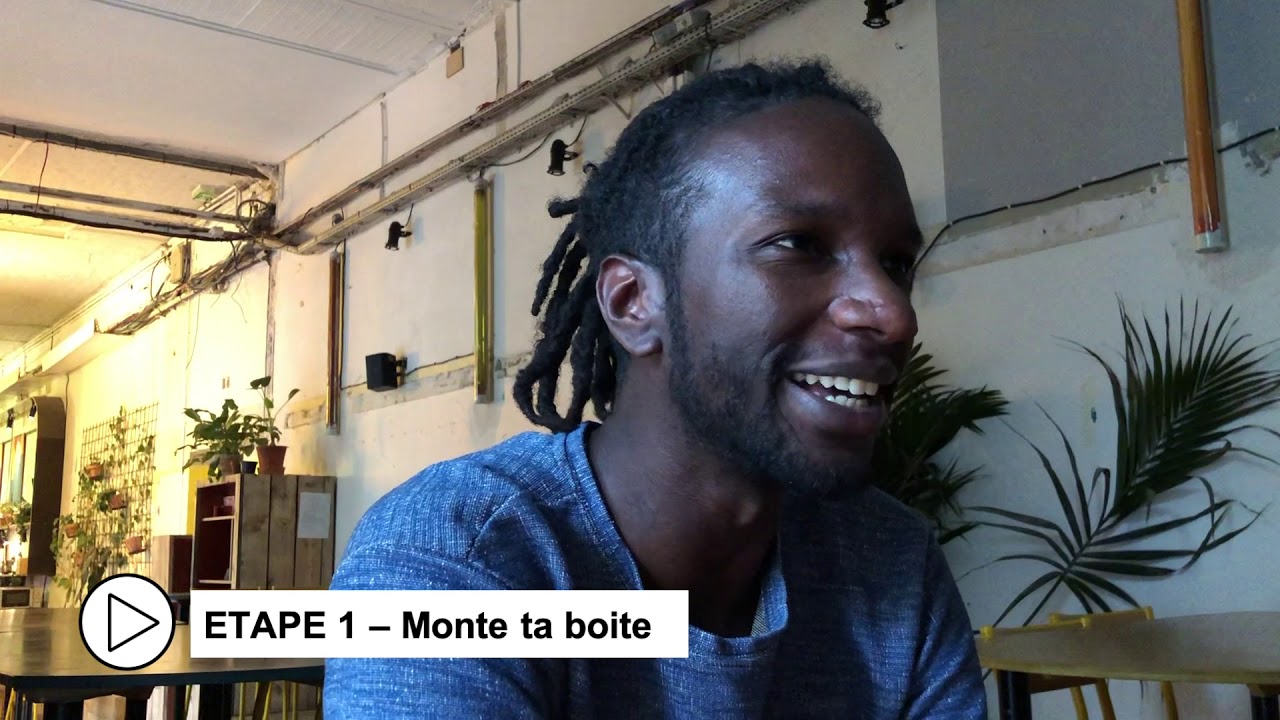
Video explaining James Wakibia's campaign :
At the beginning, what were your expectations? Did your close relatives supported you?
When I started my campaign I had one thing on my mind: do all within my power to change the status quo.(...) My family at first had no clue about what I was doing (...), and so, they didn't support me much at the beginning.
Did you had troubles fighting for this cause?
I had no trouble at all, of course there are a few people who thought that I had been paid by rival companies (...). My only interest was to see and live in a clean environment. (...). Interestingly, something that could have helped is that I was not an entity but just a free person. Therefore, industries had difficulties to find and stop me. Remember, I was more online that in the streets.
Do you have anecdotes regarding this campaign?
I took too much time online and sometimes my wife felt sidelined. It was something that really bothered her but she came to understand. (...) Sometimes, when I walked in the streets, people would call me mr plastics. It made me smile and I knew that my campaign was being received well!


Comments